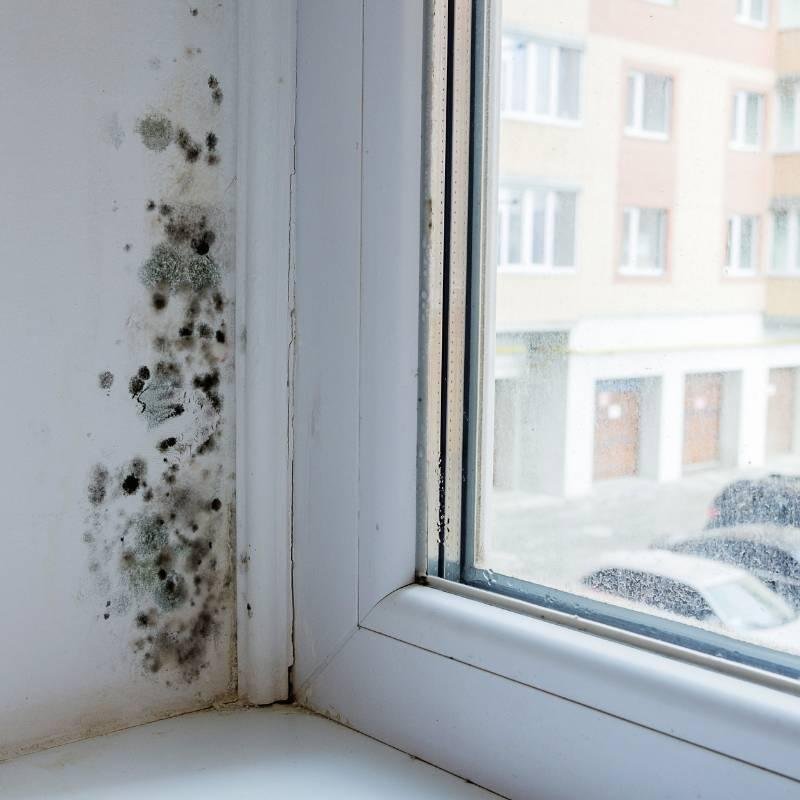
Condensation mould grows on cold walls. The surface is cold because the wall has poor thermal resistance. The permanent solution is not a mould treatment — it is insulation. Raise the wall surface temperature and the condensation stops. Without condensation, mould cannot grow.
When warm, moist indoor air meets a surface that is below the dew point temperature, the moisture in the air condenses on that surface. Walls with poor thermal resistance are cold on their interior surface — exactly the conditions in which condensation forms and mould grows.
This is why mould appears on external-facing walls, in corners, and behind furniture — the areas where the wall surface is coldest. It is also why cleaning solves the problem temporarily: the surface temperature has not changed, so condensation returns, and mould with it.
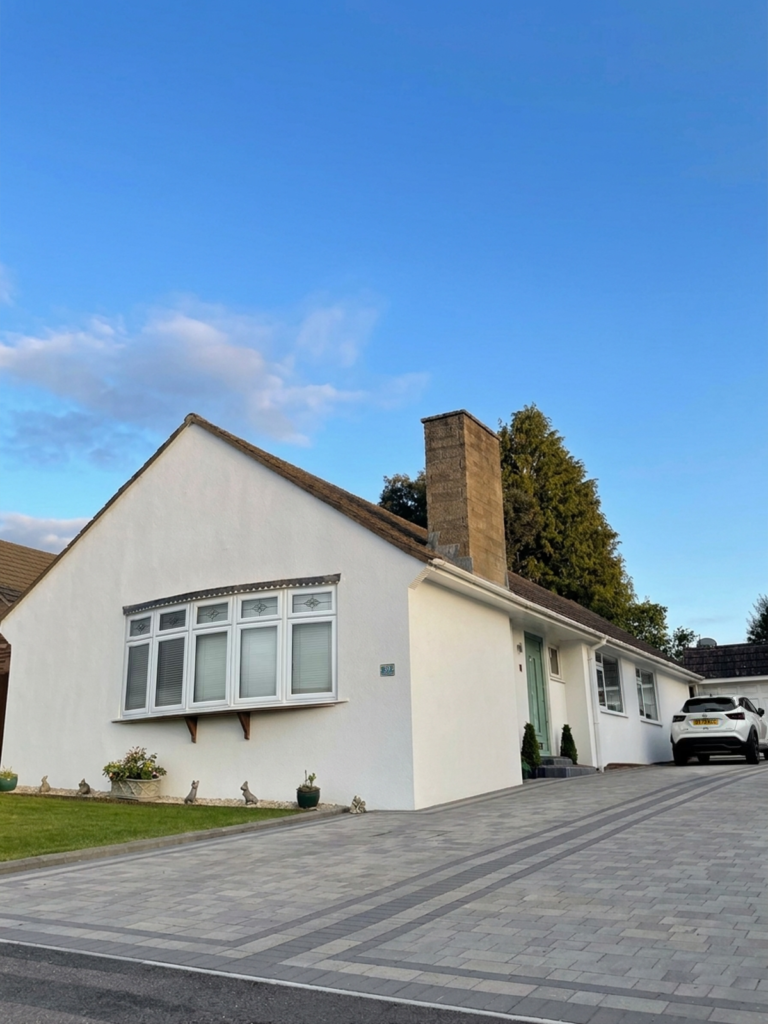
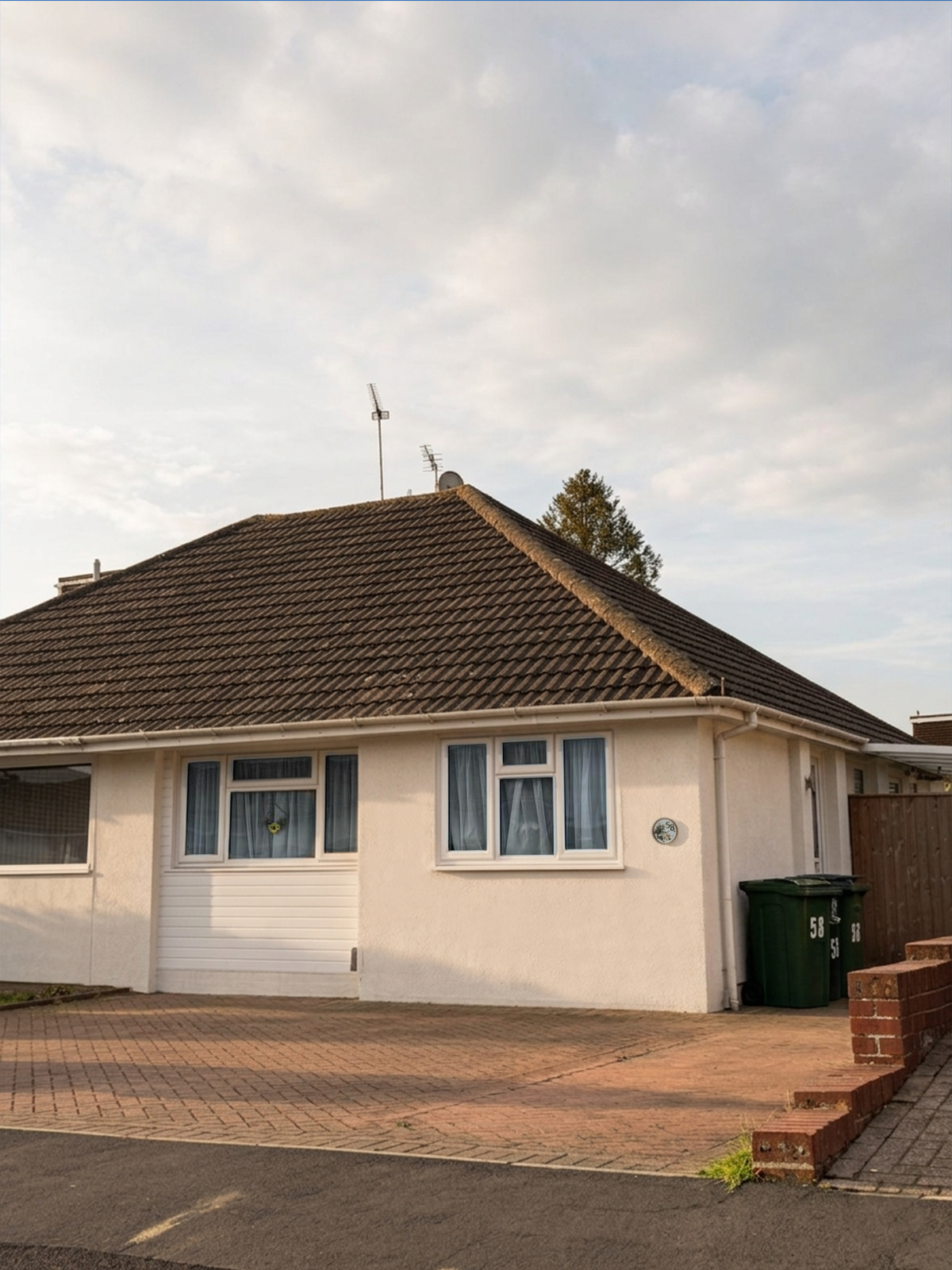
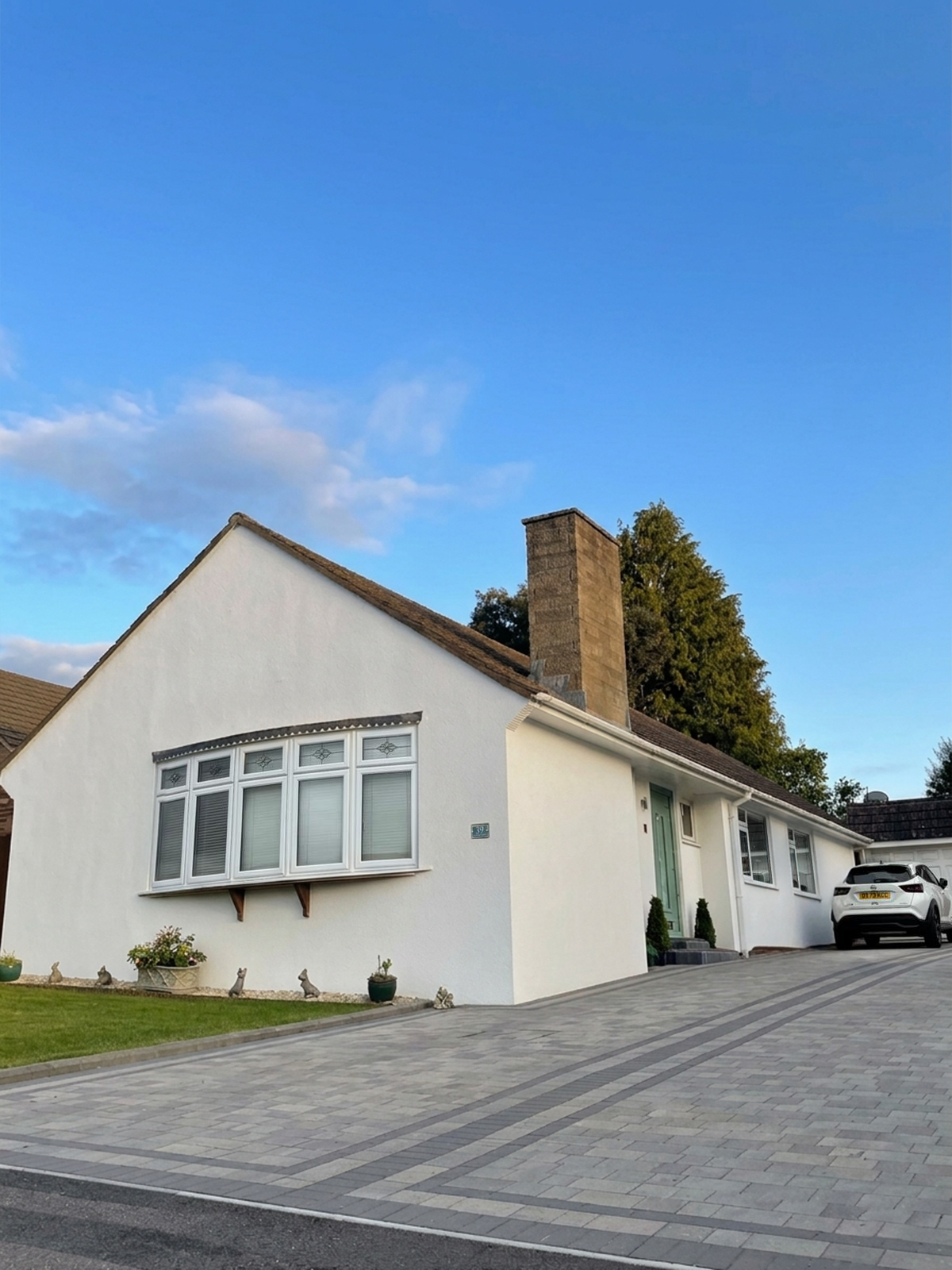
The Proofshield insulating systems address condensation mould by tackling its thermal root cause. ProofTherm internal plaster and ThermoSilicone external render both raise wall surface temperatures by creating an insulating barrier that reduces heat loss through the wall. When the surface is warm, condensation cannot form. Without condensation, mould cannot grow.
This is not a mould treatment — it is an insulation upgrade. The elimination of mould is a direct consequence of improved thermal performance, and it is permanent rather than seasonal.
Awaab's Law, phased in from 2025, requires landlords to investigate and begin remedying damp and mould hazards within defined timeframes. A documented, warranted insulation upgrade is a far stronger compliance position than repeated application of anti-mould paint.
As an official Proofshield installation partner, we provide full documentation — product specifications, installation records and the 15-year warranty — for landlord compliance files.

Book a free, no-obligation survey. We will visit your property, assess your walls, and tell you exactly which Proofshield system is right for you — and what it will cost. No pressure, no hard sell.